 STACK IMAGE
 - RESEARCH BUNDLE · 2 COMPOUNDS
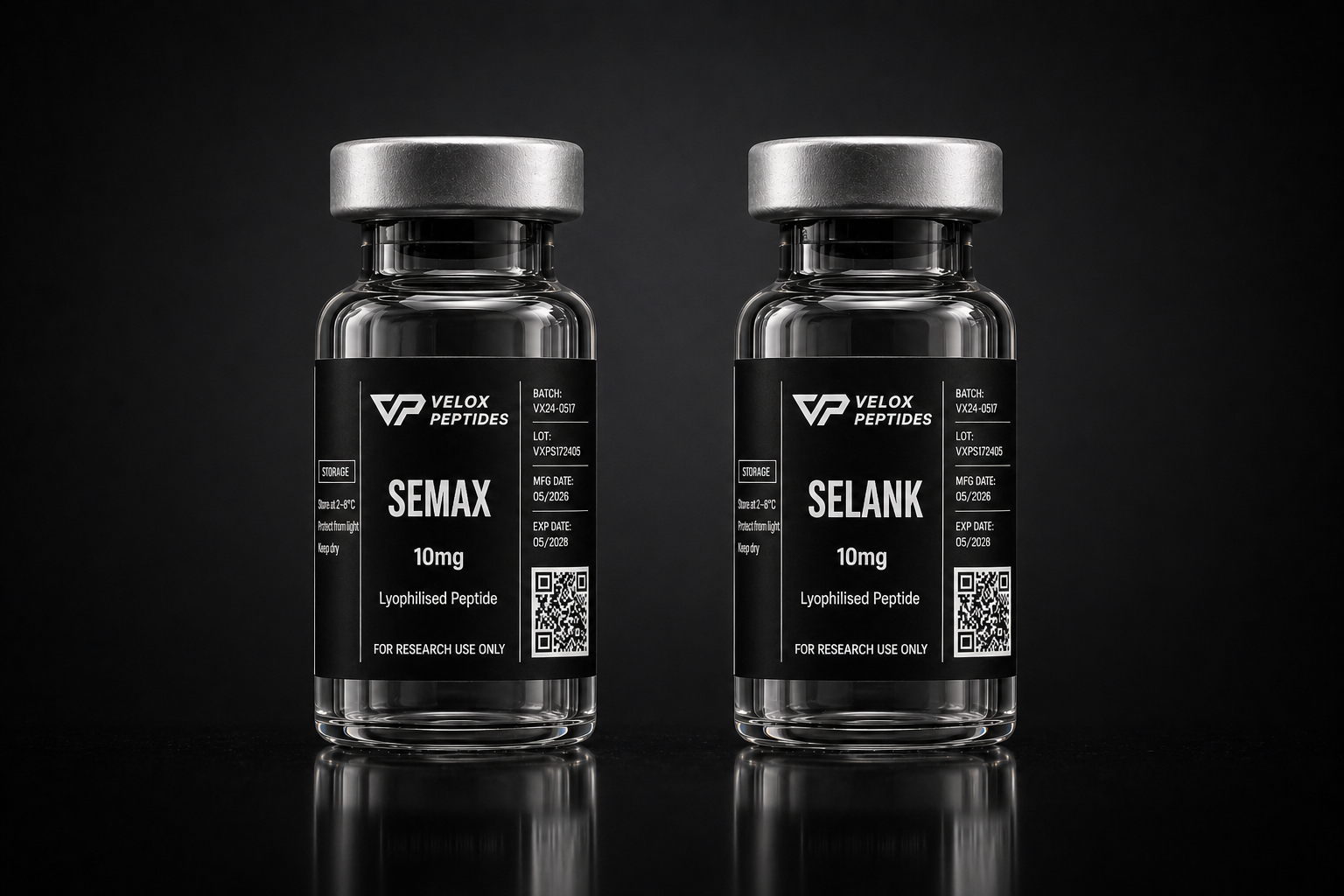
Neuropeptide Dual Research Bundle
Semax + Selank
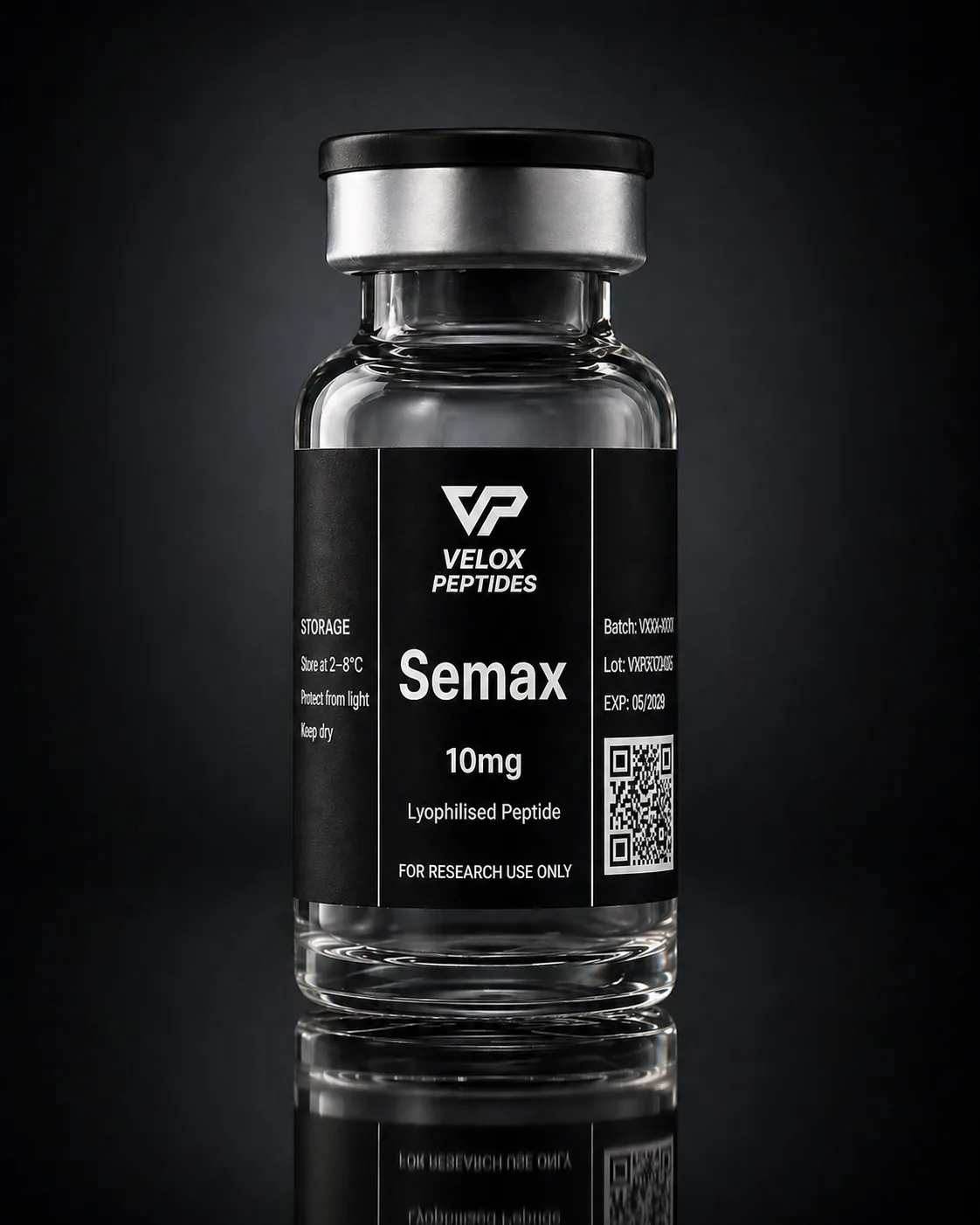
Semax10mg£34.99Selank10mg£39.99
£74.98
£55.98
SAVE 25%
View stack →
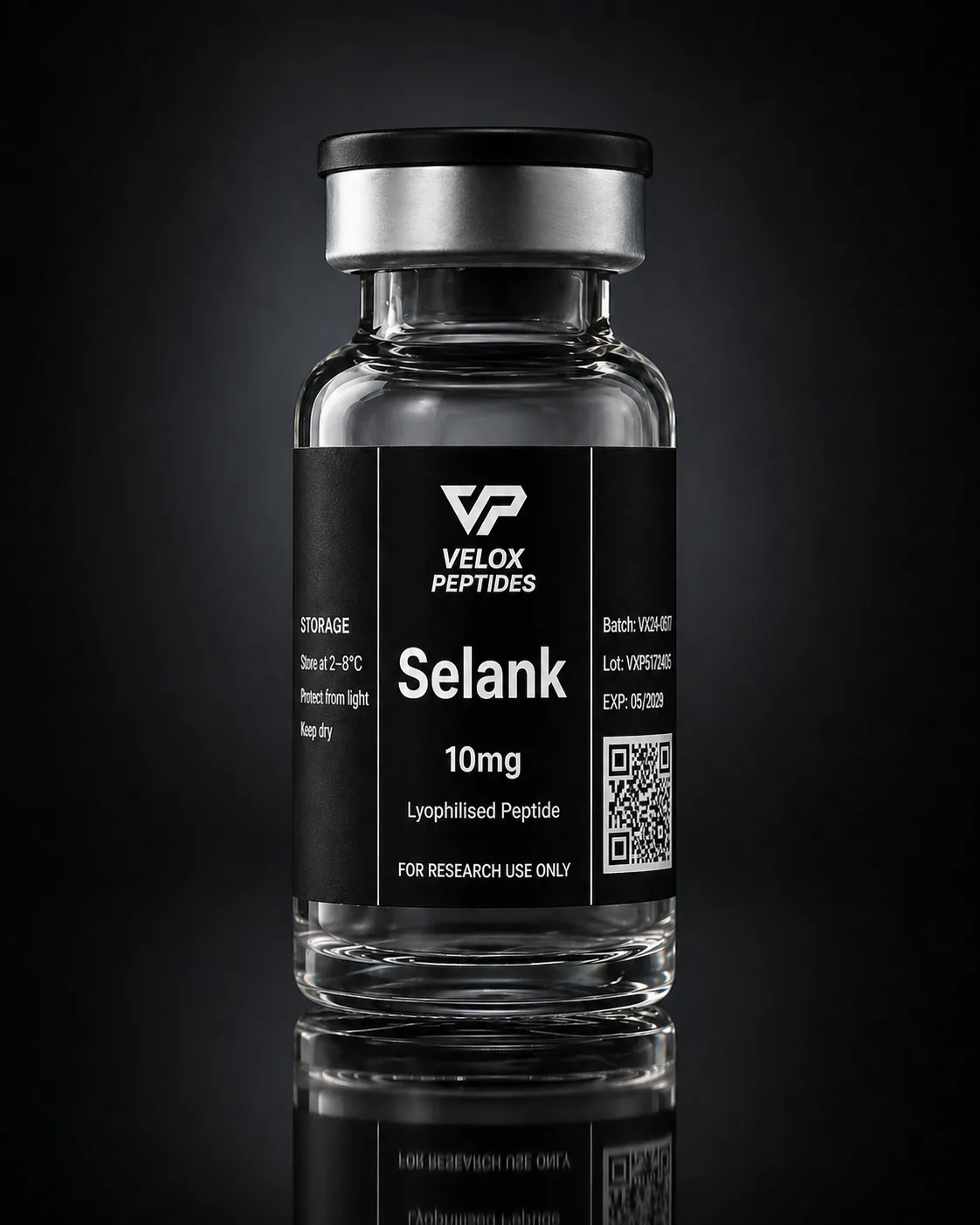
Selank is a synthetic peptide made up of 7 amino acids, based on a fragment of tuftsin - a small protein naturally involved in immune function. In rodent studies, researchers have observed calmer animal behaviour without the sedation (drowsiness) typically seen with classical anxiety-reducing compounds, making it a distinctive tool for studying stress and anxiety pathways in the brain.
Selank is a synthetic heptapeptide with the amino acid sequence Thr-Lys-Pro-Arg-Pro-Gly-Pro (TKPRPGP). It was developed as a metabolically stable analogue of tuftsin (Thr-Lys-Pro-Arg), an endogenous immunomodulatory tetrapeptide derived from immunoglobulin G. The appended Pro-Gly-Pro tripeptide at the C-terminus inhibits degradation by peptidases that would otherwise rapidly cleave the parent tuftsin sequence, extending the half-life of the compound in experimental conditions and making it a more tractable tool for research applications.
In preclinical animal research, Selank has been studied primarily in behavioural neuroscience models. Studies have examined its effects in anxiety models including the elevated plus maze, open field test, and conflict-based paradigms in rodents, with researchers investigating its interaction with GABAergic neurotransmission pathways. It has also been examined in relation to enkephalin metabolism — enkephalins are endogenous opioid neuropeptides involved in pain and stress response — with some rodent studies reporting that Selank inhibits enzymes responsible for enkephalin breakdown, thereby extending enkephalin activity in the synapse.
Beyond anxiety models, Selank has been studied for effects on memory consolidation and learning paradigms in rodents, and for its interaction with brain-derived neurotrophic factor (BDNF) expression. Its tuftsin-derived structure has prompted immunological research examining its effects on T-cell function and cytokine balance in preclinical models. Velox Peptides supplies Selank at ≥99% HPLC-verified purity as a lyophilised research reagent for in vitro use by qualified researchers. Not for human or veterinary consumption.
Summary paraphrased from the peer-reviewed preclinical literature. For in vitro research use only. For source citations, email support@veloxpeps.com.
| Common name | Selank |
|---|---|
| Full name | Synthetic Heptapeptide (TKPRPGP) |
| CAS number | 129954-34-3 |
| Molecular formula | C₃₃H₅₇N₉O₁₁ |
| Molecular weight | 751.9 g/mol |
| Sequence | TKPRPGP |
| HPLC purity | ≥99% (batch-verified) |
| Appearance | White to off-white lyophilised powder |
| Solubility | Bacteriostatic water, sterile saline |
| Storage (lyophilised) | 2–8°C, protected from light |
| Storage (reconstituted) | 2–8°C, up to 28 days |
| Supplied as | 10mg |
Every batch of Selank is third-party HPLC-tested prior to dispatch. Batch documentation is available on request.
Previous batch CoAs are archived in the CoA library. For batch-specific CoA requests prior to purchase, contact support@veloxpeps.com.
STACK IMAGE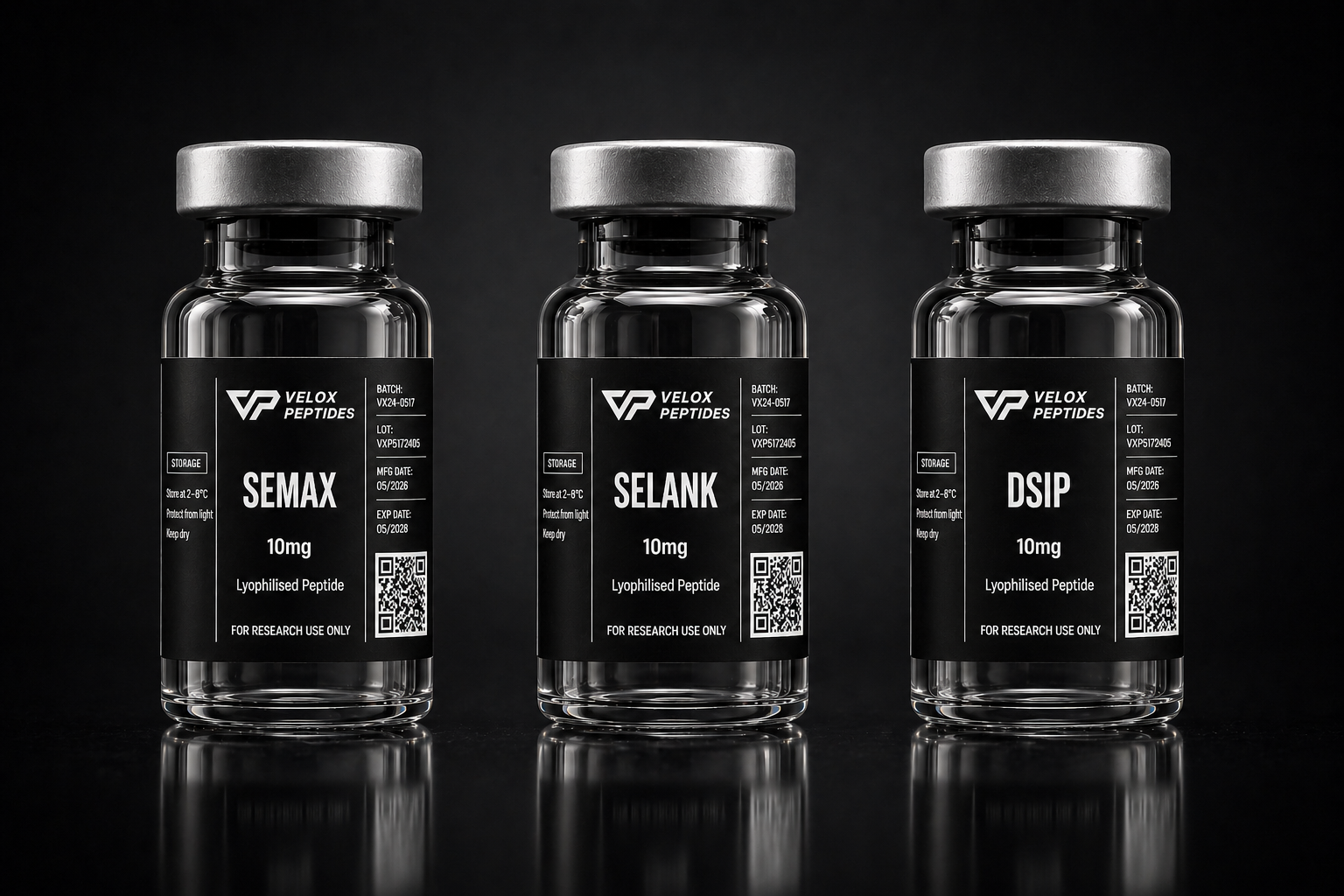 STACK IMAGE
For in vitro research use only. Selank is supplied solely as a research reagent for qualified professionals conducting in vitro or animal-model studies. It is not a medicinal product within the meaning of the Human Medicines Regulations 2012. It has not been evaluated by the MHRA or FDA. It is not intended for human or veterinary consumption, diagnosis, treatment, cure, or prevention of any condition. Any use outside lawful scientific research is outside the scope of sale.

This website is restricted to qualified researchers aged 21 or over. All products are for in vitro research use only.