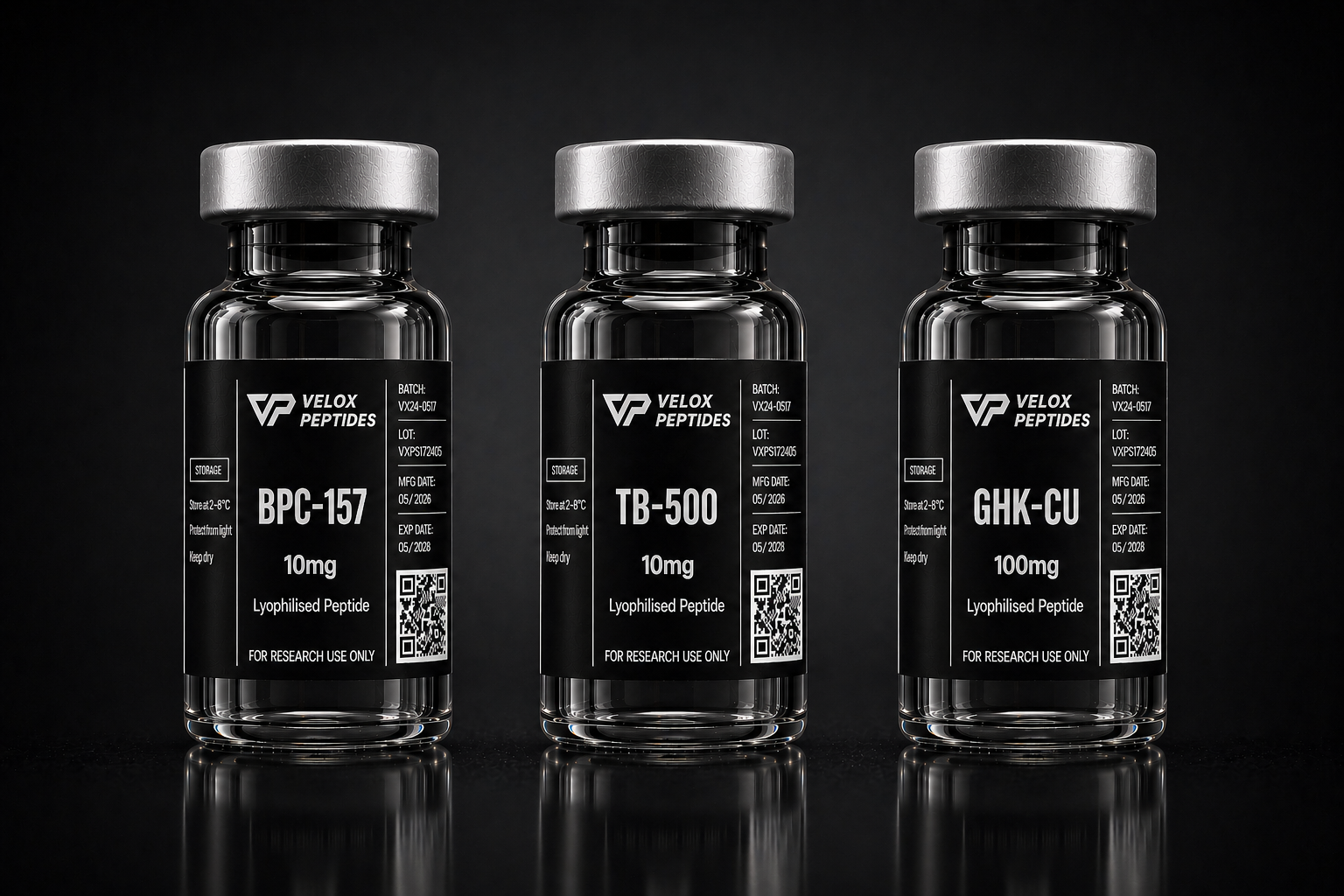
 STACK IMAGE
 - RESEARCH BUNDLE · 3 COMPOUNDS
Angiogenic Repair Research Bundle
BPC-157 + TB-500 + GHK-Cu
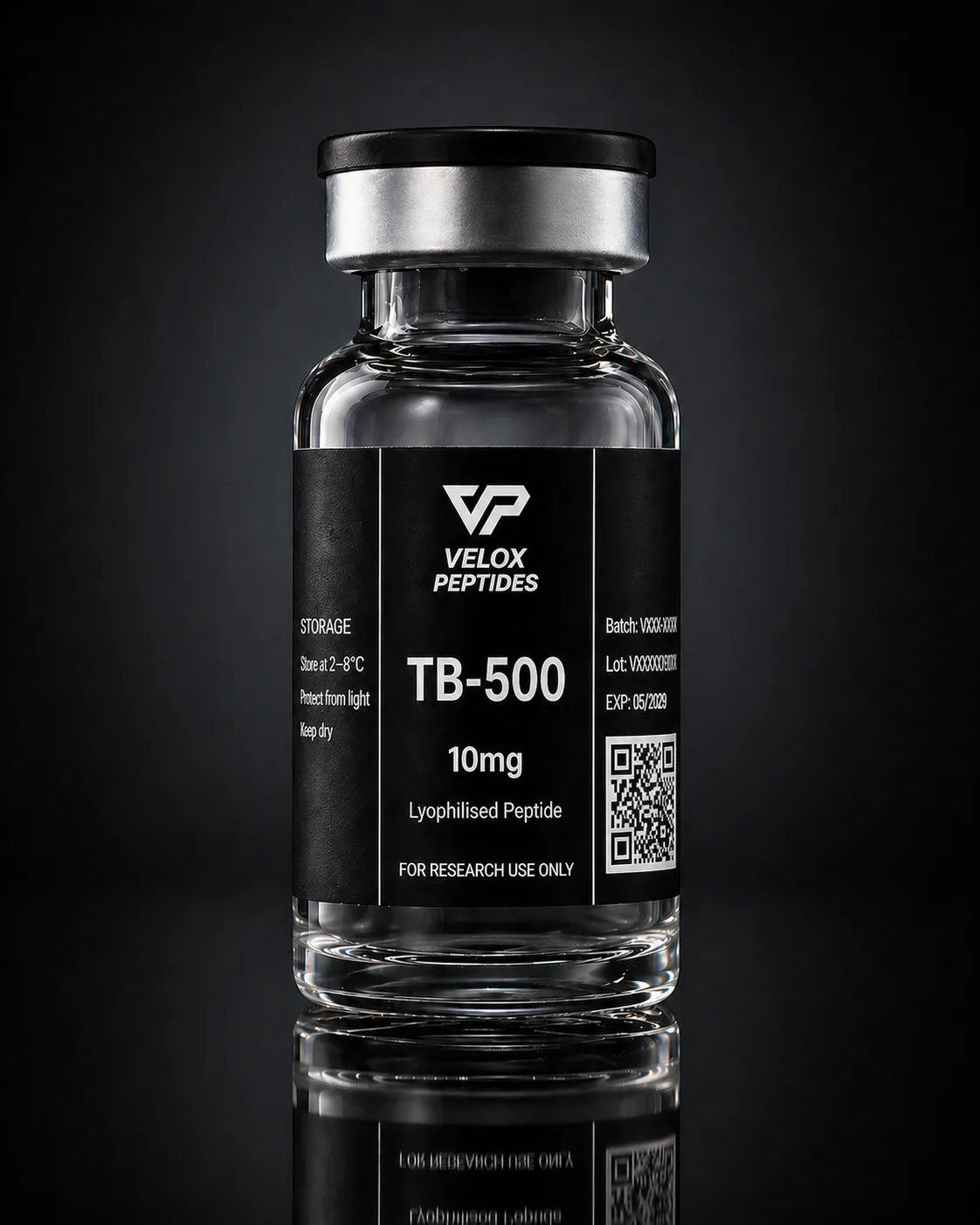
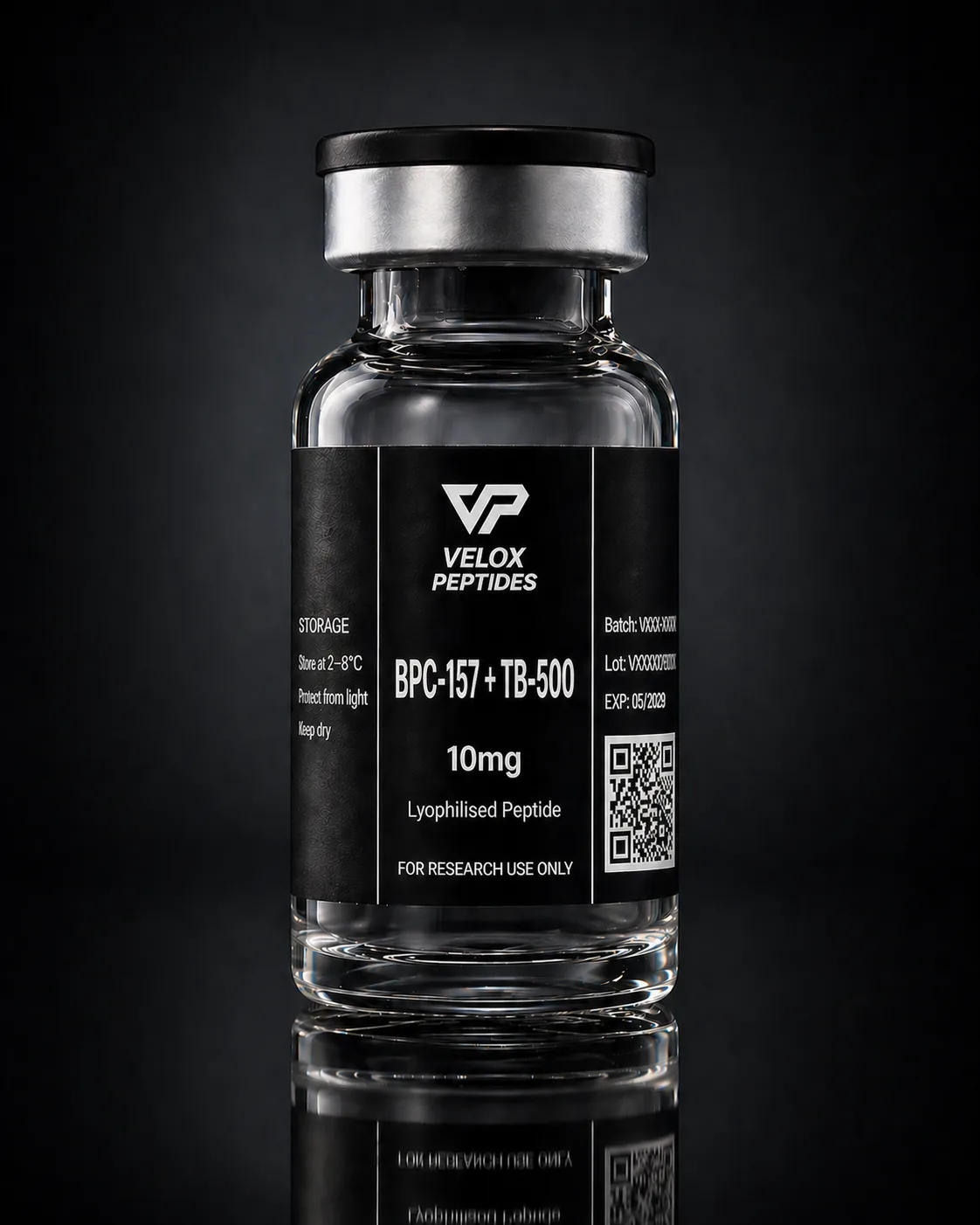
BPC-15710mg£39.99TB-50010mg£29.99GHK-Cu100mg£44.99
£109.97
£79.98
SAVE 27%
View stack →
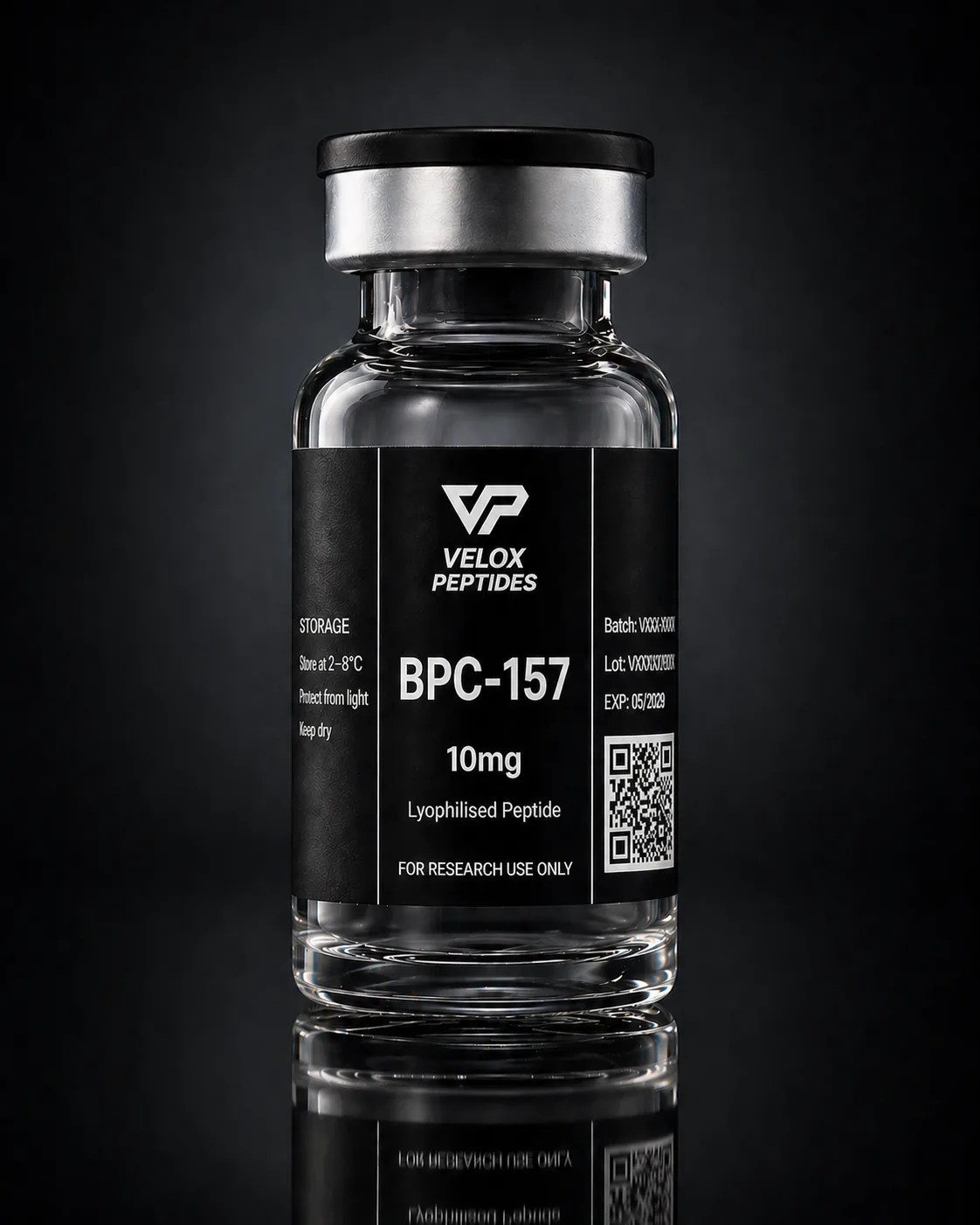
BPC-157 is a short chain of 15 amino acids (the basic building blocks of proteins) made entirely in a laboratory - it does not occur in nature. Studies in rodents have investigated how it interacts with tissue-repair processes, including tissue repair mechanisms, the growth of new blood vessels, and the protection of the stomach lining from experimentally induced damage.
BPC-157 is a synthetic pentadecapeptide — a chain of 15 amino acids (Gly-Glu-Pro-Pro-Pro-Gly-Lys-Pro-Ala-Asp-Asp-Ala-Gly-Leu-Val) produced entirely through chemical synthesis. It does not occur naturally; the sequence was developed in a laboratory context as a stable partial sequence derived from gastric juice protein. Its structural stability across a range of experimental pH and temperature conditions makes it a practical tool for in vitro and preclinical cell-based studies.
Preclinical research has examined BPC-157 across several tissue-response systems. Rodent studies have investigated angiogenesis — the formation of new blood vessels into damaged or repairing tissue — and have looked at how the peptide interacts with vascular endothelial growth factor (VEGF) signalling pathways. Research has also explored its effects on the repair of musculoskeletal structures including tendons and ligaments, with studies examining cell migration and collagen organisation in damaged tissue models. Additionally, gastrointestinal research has investigated BPC-157’s interaction with the mucosal lining of the stomach and intestine in experimentally induced injury models.
BPC-157 is studied in the context of growth hormone receptor expression and nitric oxide pathway modulation. In cell culture studies, researchers have examined its influence on gene expression markers associated with tissue remodelling. It is frequently paired with TB-500 (Thymosin Beta-4) in multi-compound preclinical protocols, as the two peptides act on overlapping but distinct repair-associated pathways. Velox Peptides supplies BPC-157 as a lyophilised research reagent at 99.4% HPLC-verified purity for in vitro use. Not for human or veterinary consumption.
Summary paraphrased from the peer-reviewed preclinical literature. For in vitro research use only. For source citations, email support@veloxpeps.com.
| Common name | BPC-157 |
|---|---|
| Full name | Body Protection Compound-157 |
| CAS number | 137525-51-0 |
| Molecular formula | C₆₂H₉₈N₁₆O₂₂ |
| Molecular weight | 1419.5 g/mol |
| Sequence | GEPPPGKPADDAGLV |
| HPLC purity | 99.4% (batch-verified) |
| Appearance | White to off-white lyophilised powder |
| Solubility | Bacteriostatic water, sterile saline |
| Storage (lyophilised) | 2–8°C, protected from light |
| Storage (reconstituted) | 2–8°C, up to 28 days |
| Supplied as | 10mg |
Every batch of BPC-157 is third-party HPLC-tested prior to dispatch. Batch documentation is available on request.
Previous batch CoAs are archived in the CoA library. For batch-specific CoA requests prior to purchase, contact support@veloxpeps.com.
STACK IMAGE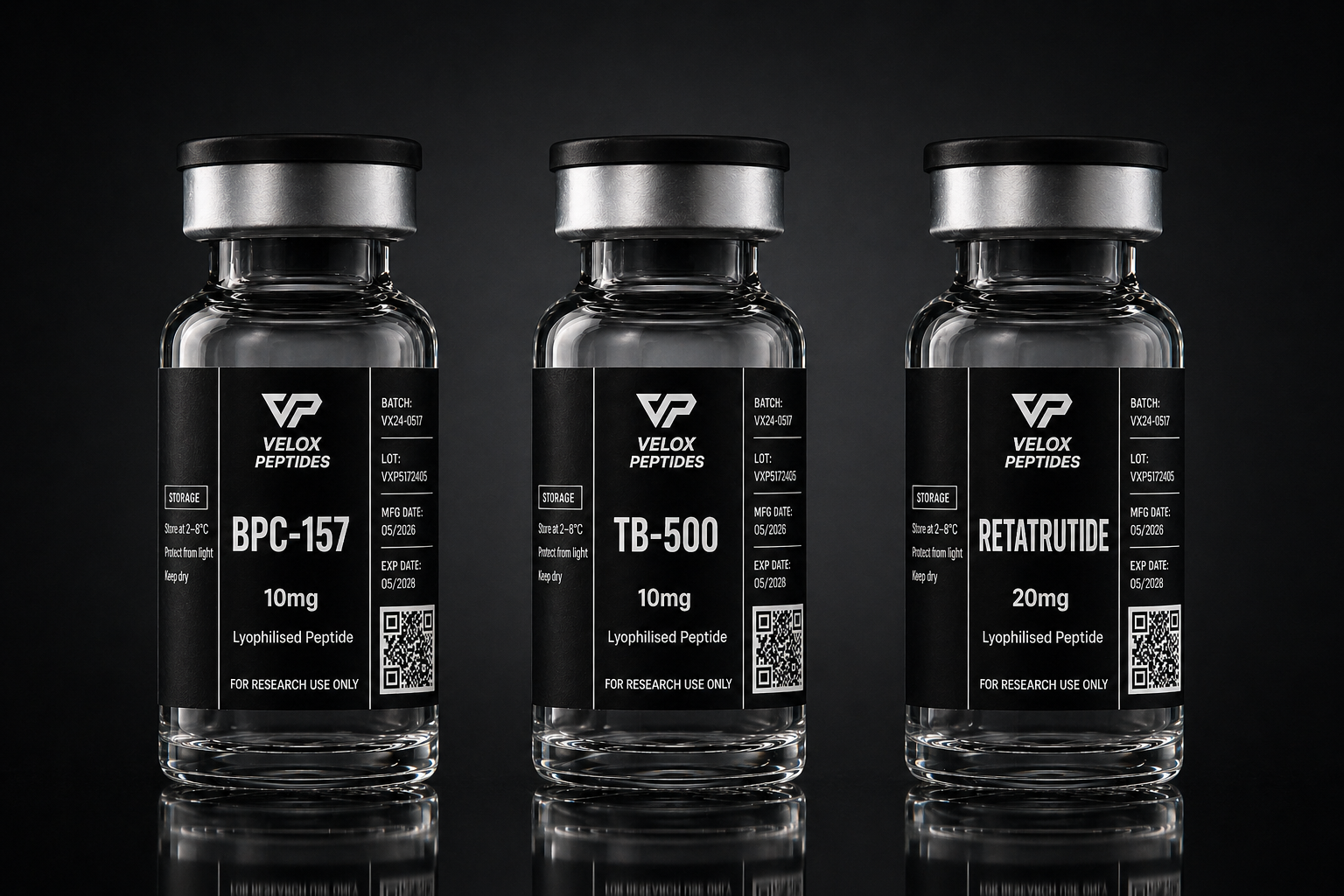 STACK IMAGE
For in vitro research use only. BPC-157 is supplied solely as a research reagent for qualified professionals conducting in vitro or animal-model studies. It is not a medicinal product within the meaning of the Human Medicines Regulations 2012. It has not been evaluated by the MHRA or FDA. It is not intended for human or veterinary consumption, diagnosis, treatment, cure, or prevention of any condition. Any use outside lawful scientific research is outside the scope of sale.

This website is restricted to qualified researchers aged 21 or over. All products are for in vitro research use only.