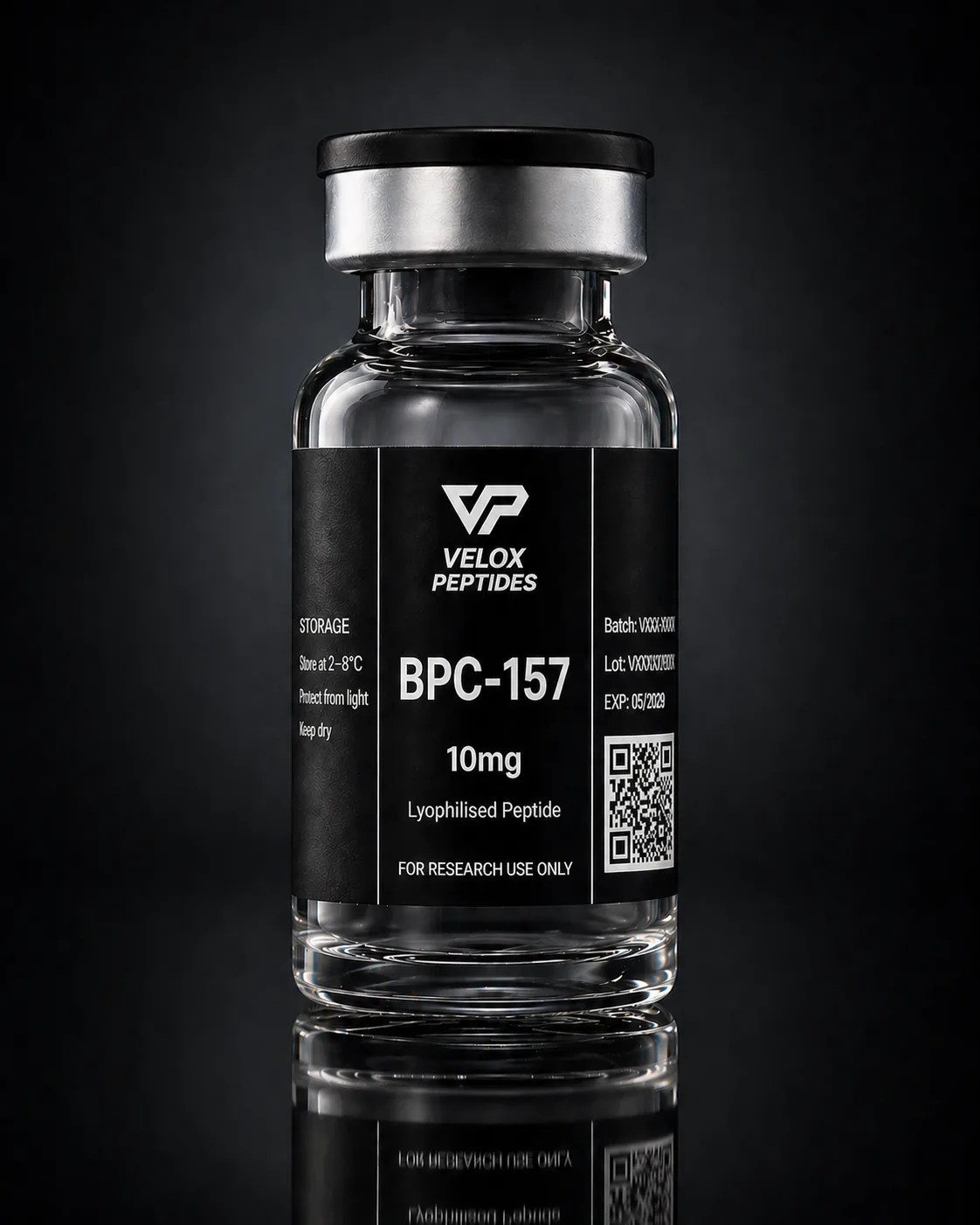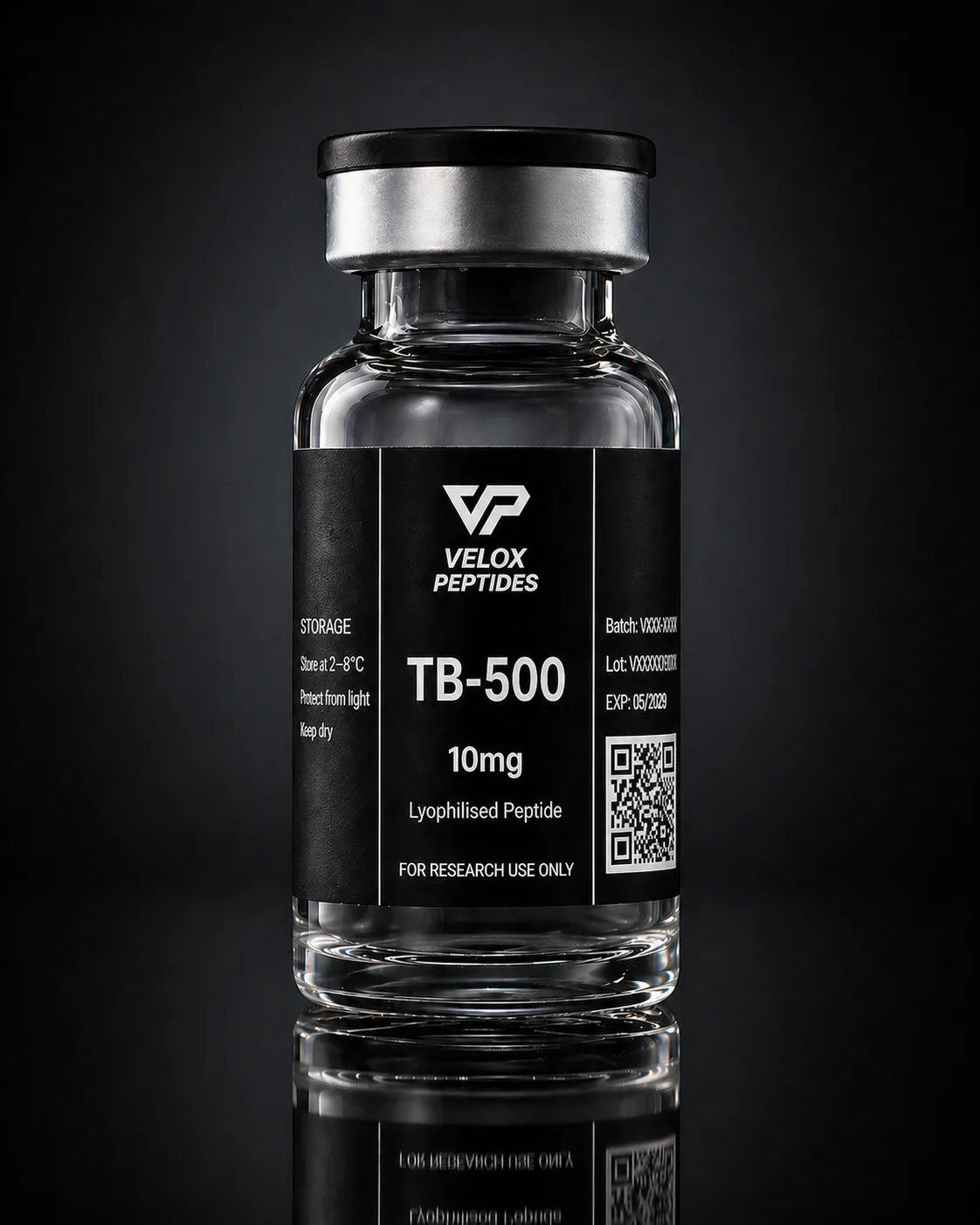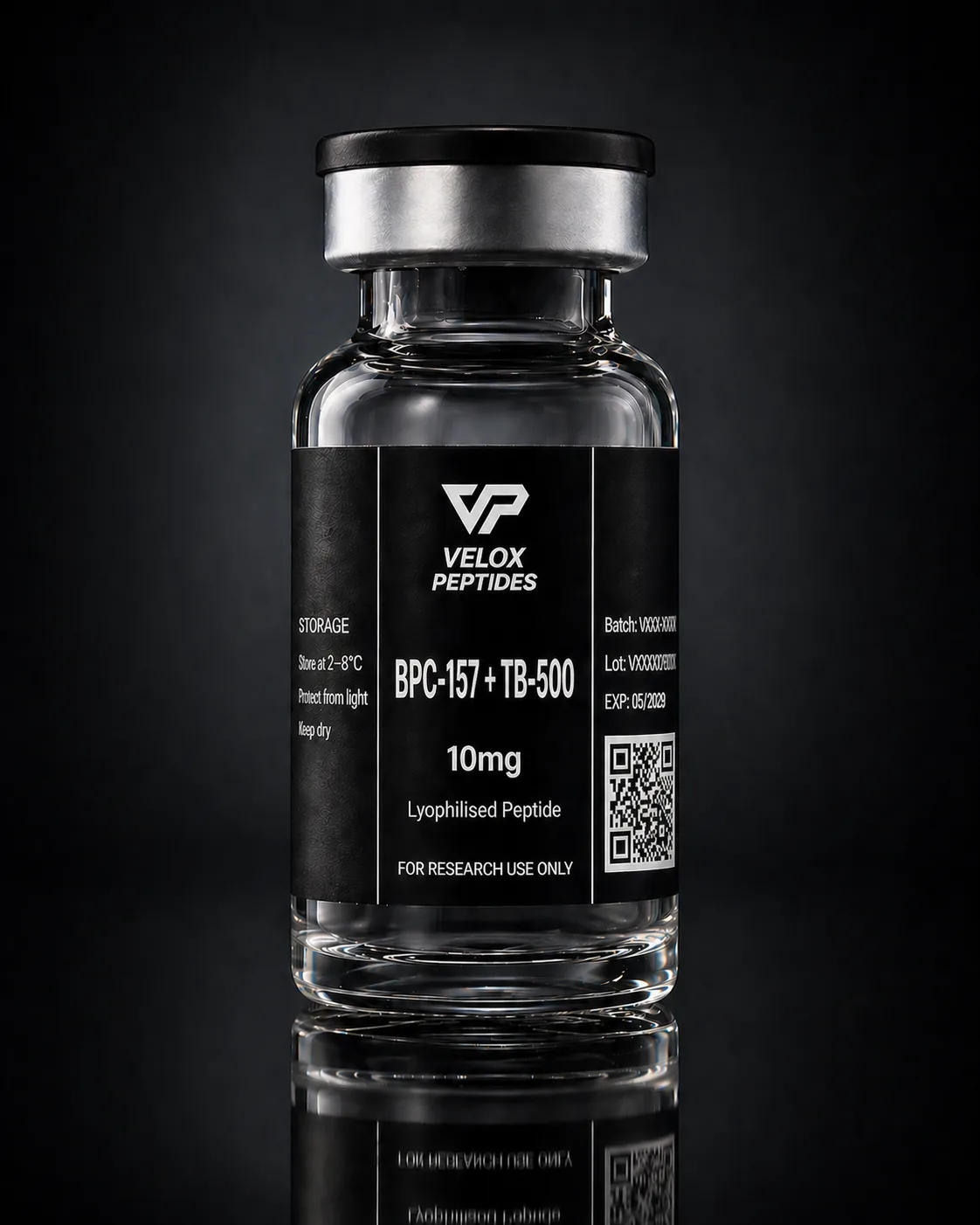
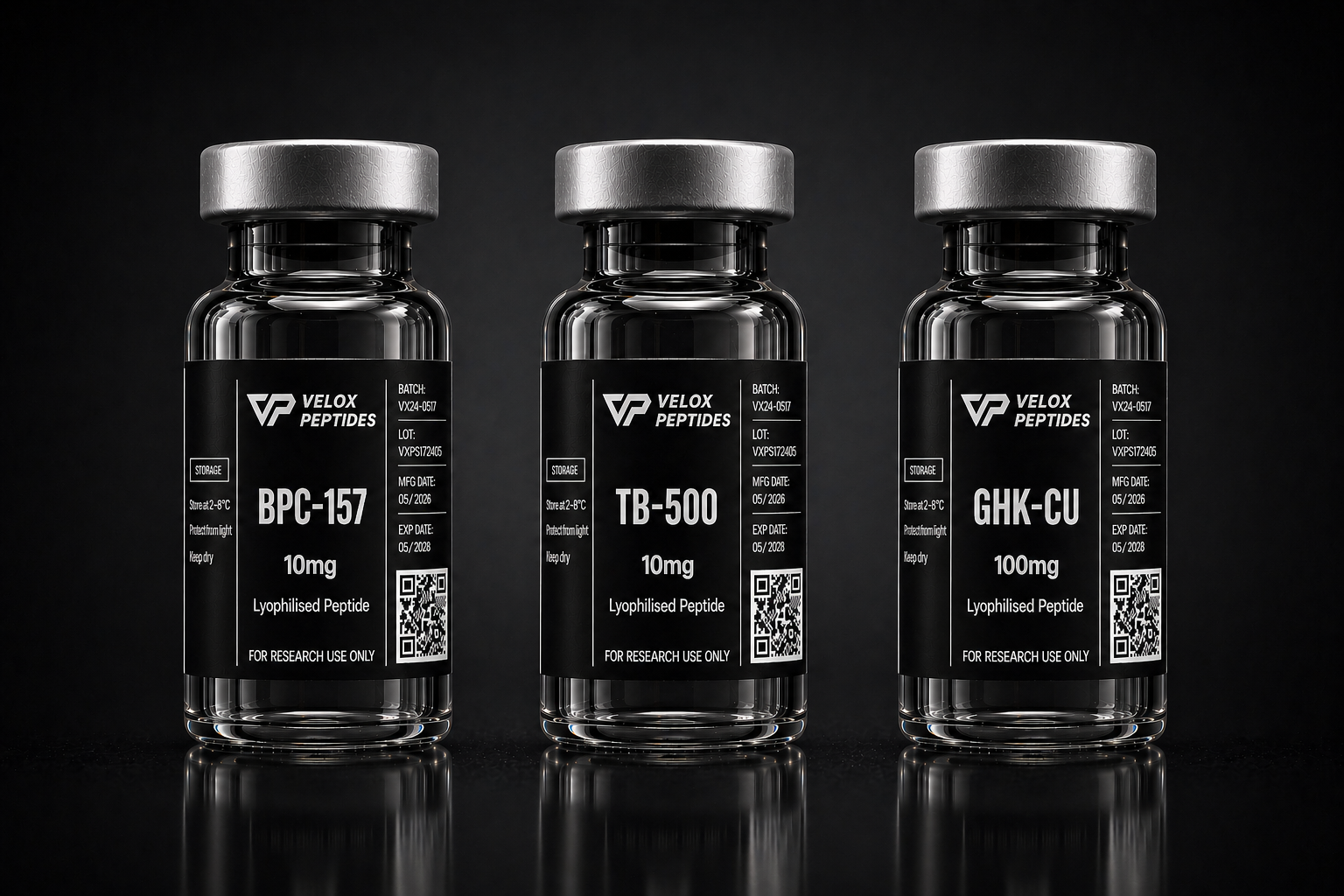
 STACK IMAGE
 - RESEARCH BUNDLE · 3 COMPOUNDS
Angiogenic Repair Research Bundle
BPC-157 + TB-500 + GHK-Cu
BPC-15710mg£39.99TB-50010mg£29.99GHK-Cu100mg£44.99
£109.97
£79.98
SAVE 27%
View stack →
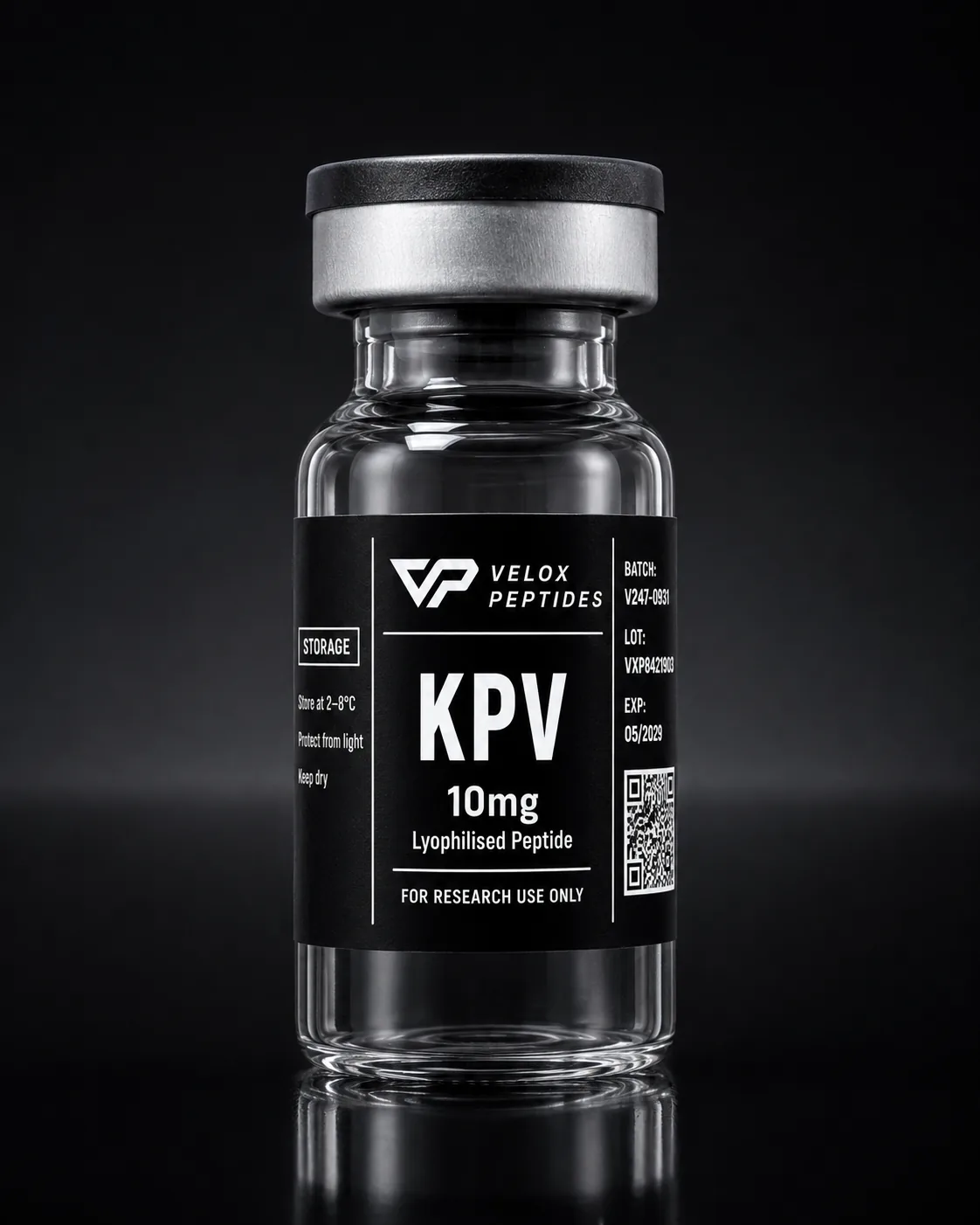
KPV is a naturally occurring tripeptide consisting of the amino acids lysine, proline, and valine. It corresponds to the C-terminal sequence of alpha-melanocyte-stimulating hormone (α-MSH). Preclinical studies have investigated how KPV interacts with inflammatory signalling pathways, particularly NF-κB-mediated cytokine expression, and its potential role in tissue-repair and mucosal repair models.
KPV is a tripeptide consisting of the amino acids lysine, proline, and valine (Lys-Pro-Val), representing the C-terminal tripeptide fragment of alpha-melanocyte-stimulating hormone (α-MSH). Alpha-MSH is a 13-amino-acid endogenous neuropeptide involved in pigmentation, inflammation, and energy regulation, derived from pro-opiomelanocortin (POMC). KPV was identified as the minimum active sequence of α-MSH required to retain anti-inflammatory activity in certain preclinical models, offering a smaller and more tractable research tool than the full 13-residue α-MSH while targeting overlapping biological pathways.
Preclinical research on KPV has focused primarily on inflammatory signalling in cell culture and rodent models. Studies have examined its effects on pro-inflammatory cytokine production — particularly IL-1β, TNF-α, and IL-6 — in stimulated macrophage and monocyte cell lines, with researchers investigating its interaction with NF-κB signalling pathways associated with inflammatory gene transcription. Research in gastrointestinal biology has investigated KPV’s effects in colitis models and intestinal epithelial cell culture, examining its interaction with gut epithelial tight junction function and mucosal immune responses.
In dermatological and skin biology research, KPV has been studied in models of skin inflammation and tissue repair mechanisms, with cell studies examining its effects on keratinocyte cytokine production and dermal fibroblast activity. KPV is thought to act at least partly through melanocortin receptor interaction — MC1R and MC3R binding studies have been reported — though its mechanism in gut epithelial models may involve additional receptor-independent pathways. Its small tripeptide size gives it potentially favourable cell permeability characteristics in experimental settings. Velox Peptides supplies KPV at ≥99% HPLC-verified purity as a lyophilised research reagent. Not for human or veterinary consumption.
Summary paraphrased from the peer-reviewed preclinical literature. For in vitro research use only. For source citations, email support@veloxpeps.com.
| Common name | KPV |
|---|---|
| Full name | Lys-Pro-Val Tripeptide |
| CAS number | 13147-97-2 |
| Molecular formula | C₁₄H₂₅N₃O₄ |
| Molecular weight | 299.4 g/mol |
| Sequence | Lys-Pro-Val |
| HPLC purity | ≥99% (batch-verified) |
| Appearance | White to off-white lyophilised powder |
| Solubility | Bacteriostatic water, sterile saline |
| Storage (lyophilised) | 2–8°C, protected from light |
| Storage (reconstituted) | 2–8°C, up to 28 days |
| Supplied as | 10mg |
Every batch of KPV is third-party HPLC-tested prior to dispatch. Batch documentation is available on request.
Previous batch CoAs are archived in the CoA library. For batch-specific CoA requests prior to purchase, contact support@veloxpeps.com.
STACK IMAGE STACK IMAGE
For in vitro research use only. KPV is supplied solely as a research reagent for qualified professionals conducting in vitro or animal-model studies. It is not a medicinal product within the meaning of the Human Medicines Regulations 2012. It has not been evaluated by the MHRA or FDA. It is not intended for human or veterinary consumption, diagnosis, treatment, cure, or prevention of any condition. Any use outside lawful scientific research is outside the scope of sale.

This website is restricted to qualified researchers aged 21 or over. All products are for in vitro research use only.